volumepcpie
pcpie 时间:2021-01-27 阅读:()
ECONOMICDECISION-MAKINGINACHANGINGWORLDEditedbyG.
A.
CollenteurAssistantProfessorofEconomicandSocialHistoryUniversityofGroningen,TheNetherlandsandC.
J.
JepmaProfessorofEconomicsUniversityofGroningen,TheNetherlandsPalgraveMacmillanEconomicDecision-MakinginaChangingWorldISBN978-1-349-11146-6ISBN978-1-349-11144-2(eBook)DOI10.
1007/978-1-349-11144-2G.
A.
CollenteurandC.
J.
Jepma1993Softcoverreprintofthehardcover1stedition1993Allrightsreserved.
Forinformation,write:SeholarlyandRefereneeDivision,St.
Martin'sPress,Ine.
,175FifthAvenue,NewYork,N.
Y.
10010FirstpublishedintheUnitedStatesofAmericain1993ISBN978-0-312-04636-1LibraryofCongressCataloging-in-PublieationDataEconomicdecision-makinginaehangingworld/G.
A.
CollenteurandC.
J.
Jepma.
p.
cm.
Inc\udesbibliographicalrefereneesandindex.
ISBN978-0-312-04636-11.
Internationaleeonomicrelations.
2.
Competition,International.
3.
Corporatestrategy.
I.
Collenteur,G.
A.
,1953-.
11.
Jepma,C.
J.
HF1359.
E251993337--de2092-25574CIPContentsNotesontheContributorsIntroductionPart1RecentMethodologicalDevelopmentinDecision-MakingProcessesFortyYearsofEconomicDecision-MakingG.
F.
W.
M.
Pikkemaat2BusinessFinance:DealingwithUncertaintyJ.
L.
Bouma3InformationPlanninginaChangingWorldT.
Huppes4InformationandIntelligence:MisunderstandingManagementH.
G.
SolPart11TheChangingPatternofEconomicRelationsbetweenEurope,USAandJapan5TheCoordinationofEconomicPolicyamongtheMajorixxiii3133248WesternBIoes:theEuropeanPerspective63F.
HJ.
J.
Andriessen6CooperationwithEuropeandJapan:AnAmericanPe~pective73R.
Solomon7TheRoleoftheJapaneseEconomyinaChangingWesternWorld79S.
FukukawaVIContents8IndustrialPoliciesandPoliticalDemoeraeyP.
deGrauwePartIIIIncreasedInternationalFinancialInterdependency9GlobalEeonomieRelationsbetweenEurope,Japanand90theUSA105H.
O.
C.
R.
Ruding10FinaneialInnovations:NewOpportunitiesorNewRisks113w.
F.
Duisenberg11TheOetober1987Crash:AWorldwidePhenomenon124L.
C.
ThurowPartIVTheChangingInternationalInvestmentClimate12ForeignDireetInvestmentProspeetsforMultinationalCompanies131H.
Meij13InternationalInvestmentsandRisingProteetionism139L.
J.
Emmerij14SomeWaysoutoftheDebtCrisis154H.
deHaan15AssetTradingandDebtConversion160F.
D.
vanLoonPartVIncreasedInstabilityinInternationalBankingandFinance16TheRoleoftheEuropeanBankingSystemintheInternationalFinaneialMarketsM.
Endres175ContentsVll17InaSpin:Europe'sStockMarkets183R.
Hornett18Decision-MakingintheForeignExchangeandBondMarkets190D.
Morrison19Decision-MakingatRobeccoJ.
J.
vanDuijnPartVINewRequirementsforBusinessCompetitiveness20MultinationalsinaCompetitiveEnvironment:theCaseofPhilipsIndustriesJ.
J.
Tuyt21CommunicationinaCompetitiveInternationalEnvironment:TrendsandExpectationsL.
G.
Pringle22InformationandManagementDecision-Making1.
Lindelow23DiagnosingCompetitionP.
SH.
LeefiangAppendix:InvestmentinEuropeE.
BalladurReferencesIndex202215222230239264266272NotesontheContributorsF.
H.
J.
J.
AndriessenisVice-PresidentoftheCommissionoftheEuropeanCommunities.
E.
BalladurwasformerlyFrenchMinisterofFinance.
J.
L.
BoumaisProfessorofBusinessFinanceattheUniversityofGroningen,TheNetherlands.
G.
A.
CollenteurisAssistantProfessorofEconomicandSocialHistoryattheUniversityofGroningen,TheNetherlands.
J.
J.
vanDuijnismemberoftheBoardofDirectorsoftheRobecoGroup,Rotterdam,TheNetherlands.
W.
F.
DuisenbergisPresidentofDeNederlandscheBank,Amsterdam,TheNetherlands.
M.
EndresismemberoftheBoardofDirectorsofDerDeutscheBank,Frankfurt,Germany.
L.
J.
EmmerijisPresidentoftheOECDDevelopmentCentre.
S.
FukukawaisSeniorAdvisorattheJapanIndustrialInstitute,Tokyo,Japan.
P.
deGrauwewasProfessorofEconomicsattheUniversityofLouvain,Belgium.
H.
deHaanisProfessorofEconomicsattheUniversityofGroningen,TheNetherlands.
R.
HornettworksforSASSOONEuropeLtdLondon,UK.
T.
HuppesisProfessorofEconomicandSocialAspectsofInformationTechnologyattheUniversityofGroningen,TheNetherlands.
ixxNotesontheContributorsC.
J.
JepmaisProfessorofEconomicsattheOpenUniversityandattheUniversityofGroningen,TheNetherlandsP.
S.
H.
LeeflandisProfessorofMarketingattheUniversityofGroningen,TheNetherlands.
J.
LindelowisSeniorVice-PresidentUnisys,BlueBell,Pennsylvania,USA.
F.
D.
VanLoonisDirectoroftheEmergingMarketsGroup,NMBPostbankGroep(NL).
H.
MeijwasformerlyMemberoftheBoardofGovernorsatUnileverNV,TheNetherlands.
D.
MorrisonisManagingDirectorofGoldmanSachsInternationalCorporation,London,UK.
G.
F.
W.
M.
PikkemaatwasformerlyProfessorofMathematicalEcon-omicsandDeanoftheDepartmentofEconomicsattheUniversityofGroningen,TheNetherlands.
L.
G.
PringleisExecutiveVice-PresidentofBBDOWorldwide,London,UK.
H.
G.
SolisProfessorofInformationalSystemsattheUniversityofDelft,TheNetherlands.
R.
SolomonisGuestScholarattheBrookingsInstitution,Washington,DC,USA.
L.
C.
ThurowisProfessorofEconomicsattheMassachusettsInstituteofTechnology,USA.
J.
J.
TuytismemberoftheGroupCouncilofNVPhilips,Eindhoven,TheNetherlands.
ListofTermsandAbbreviationsABECORASEANBISBrettonWoodsBSPCAPMCASECEOCOMECONCSFmethodDBSDSSEBICECECUEDPEFTAEMHEMSENIACESEUPEuropartnersFDIGATTGDPGNPsystemAssociatedBanks'sofEuropeCor-porationSAAssociationofSouthEastAsianNa-tionsBankforInternationalSettlementsPostwarsystemofexchangerates,basedontheAmericandollarasinternationalcurrencyBusinessSystemPlanningCapitalAssetPricingModelComputerAidedSystemEngineeringChiefExecutiveOfficerCouncilforMutualEconomicAidCriticalSuccessFactormethodDirectBroadcastingSystemDecisionSupportSystemEuropeanBank'sInternationalCom-panySAEuropeanCommunityEuropeanCurrencyUnitElectronicDataProcessingEuropeanFreeTradeAssociationEfficientMarketsHypothesisEuropeanMonetarySystemfirstcomputer(USA,1946)ExpertSystemExpectedUtilityParadigmaEuropean'bankingclub'ForeignDirectInvestmentGeneralAgreementonTariffsandTradeGrossDomesticProductGrossNationalProductxiXIIICIMIMFISITJETROLDCM3MISMITMITIMNCMRNICN-generationODAOECDOEECOICOPECOPTOSPCPIEPPPPTTR&DRSSCASDRSPPSWIFTList0/TermsandAbbreviationsIntegratedCircuitInformationManagementInternationalMonetaryFundInformationSystemInformationTechnologyJapanExternalTradeOrganisationLessDevelopedCountryMoneySupply(broadedition)ManagementInformationSystemMassachusettsInstituteofTechnol-ogy(Japanese)MinistryofInternationalTradeandIndustryMultinationalCompanyManagementReportingsystemNewlyIndustralisingCountryNextgenerationOfficialDevelopmentAidOrganisationforEconomicCoopera-tionandDevelopmentOrganisationforEuropeanEconomicCooperationOrganizationalInnovationforCom-petitivenessOrganisationforPetroleumExport-ingCountriesOptionPricingTheoryObjectSystemPersonalComputingPrice/EarningsPurchasingPowerParity(Dutch)PostalTelephone&Tele-graphCompanyResearchandDevelopmentRealSystemSustainableCompetitiveAdvantageSpecialDrawingRightsStrategicPlanningProcessaworldwideinterbankcomputernet-workTPUruquayRoundListofTermsandAbbreviationsXlllTransactionProcessingsystemLatestroundoftradenegotiationsinGATTIntroductionTHESCOPEOFTHECONFERENCEANDTHECONFERENCETHEMEThisvolumecontains24contributionsmadeduringaconferenceon'EconomicDecision-MakinginaChangingWorld',heldinGroningen,theNetherlandsduringtheweekof13-16September1988.
Thismarkedtheo\casionofboththe375thanniversaryoftheUniversityofGroningen,thesecondoldestuniversityintheNetherlands,andthe40thyearofexistenceofitsDepartmentofEconomics,itslargestDepartment.
Theconferencetheme'EconomicDecision-MakinginaChangingWorld'waschosenimseveralreasons.
First,thethemeobviouslyshoulddealwitheconomics,becausetheanniversaryoftheDepartmentofEconomicswasbeingcelebrated.
SeconditwasfeItthataschangesintheinternationaleconomicenvironmentandtheglobal-izationofeconomiestakeplaceatsuchspeed,nowadays,theissueofwhatadjustmentsareneededtothedecision-makingprocesshasbecomemorerelevantthaneverbefore.
Athirdandfinalargumentconcernedthescopeoftheconference:itshouldbebroad,toencourageevaluationofthesameissuefromageneraleconomicandbusinesseconomicviewpoint,fromamacroandamicropointofview,andfromanacademicandmorepracticalperspective.
Theunderlyingphilosophywasthatsomanyconferences,seminars,andsoon,areorganizednowadaysonnarrowlydefinedissues,andforspecificgroupinterests,thathere,instead,acontributionshouldbemadetoabroadcoverageofoneandthesameissue:towhatextentdorecentchangesintechnology,incommunication,intheinstitutionalsettingofinternationalbanking,investmentandtradepractices,intheinternationalbalanceofeconomicstrengthoftheseveralregionsoftheworld,andsoon,haveanimpactoneconomicdecision-making,bothbygovernmentsandbytheprivatesectorSuchabroadcoveragemayservetoillustratethatfundamental'changesintheworld'haveanimpactondecision-makingatalllevels,andthuspervadethewholeofsocietyindifferentways.
Governmentsdealwithchangesinexchangerates,ininternationalcompetition,increasinglyvolatileinternationalcapitalflows,instockpricelevels,ininternationalfinancingbehaviour,xvXVIIntroductioninthestructureofbusiness,andsoon.
Butsodoindividualbusinessfirms.
Theyfacethesamechanges,andequallyhavetocopewiththem.
Andsodotheircompetitorsabroad,andothergovernments.
Itthenbecomesanissuewhat'invisiblehand'cancoordinateallthesedifferentdecision-makingprocesses,andhowonecanpreventthedecisionsmadebydifferentagentsfromcounteractingeachother.
Notonlydoadjustmentstothechangingeconomicenvironmenthavetobeincorporatedintoeconomicdecision-making,butadjustmentsalsohavetobemadefortheopportunitiescreatedbythenewdecision-makingtechniquesandthelarger,andespeciallymorerapidlyavailable,amountsofinformation.
Governmentsnowadaysnotonlyhavestatis-ticalinformationattheirdisposalquiterapidly,buttheycanalsouseeconometricmodelsandothertoolsofanalysistocombinedataintelligentlyinordertoderivemuchmoreinsightfromtheinformation.
Thisincreasesthelevelofdecision-makingfromananalyticalpointofview,butcertainlyisnoguaranteeformakingdecisiontakingeasier,becauseuncertaintyandthespeedofchangeshavealsoincreased.
Internationalinvestorsfacethesamedilemma.
Althoughtheycanrelyonmore,better,andmorerapidlyavailableinformationabouttheriskstheyrunandtheirexpectedreturn,uncertaintyhasalsoincreasedinaworldmonetarysystemthreatenedbyalargeexternalimbalancebetweentheUS,EuropeandJapan,aworldwithadevelopingcountries'debtoverhangofover$1000billion,aworldwithworld-wideheavyfluctuationsinstockpricesallovertheworld,andwithincredibleamountsofinternationallyhighlymobileflightcapital.
Thisdilemmaequallyholdstrueforinternationalbusinessfirms.
Whatwillhappentotheminaworldwithalargeincreaseinmergersandtake-oversWhatshouldoneexpectfromcompetitionfromabroad,especiallyfromregionsoneisnotfamiliarwith,andhowwillthegovernmentsreacttothesechangesOntheonehand,newinformationtechnologiescanraisetheirknowledgeandimproveupontheirdecision-makinglevel.
Ontheotherhandonerealizesthatthecompetitionandbusinesspartnerscanbeequallywell-equipped.
Butalsothecustomershavechanged.
Consumerinteretshavebecomemoreprominent,generaltasteismoresophisticated,andbetterinformationisdemanded.
Thefulfillmentofconsumers'needsrequiresmoreandmoregoodsandservicestobetailoredtoindividualwants,whichhasanimpactnotonlyonproduction,butalsoondistributionandmarketing.
Havingsaidsomethingaboutthescopeoftheconference,wewillnowfocusonitsactualcontents.
BasicallysixmajorissueshavecomeIntroductionxviitothefore,whichwillbepresentedinthisvolumeinthefollowingorder:1.
Recentdevelopmentsindecision-makingprocesses.
2.
ThechangingpatternoftheeconomicrelationsbetweenEurope,theUSAandJapan.
3.
Increasedinternationalfinancialinterdependence.
4.
Thechanginginternationalinvestmentclimate.
5.
Increasedinstabilityininternationalbankingandfinance.
6.
Newrequirementsforbusinesscompetitiveness.
Thefirsttopichasageneral,methodologicalcharacterandtouchesupontheimpactofnewdecision-makingtechniques;thesecondandthirdtopicsbelongtothefieldofinternationaleconomics,andaremainlyviewedfromamoregeneral,governmenteconomicsper-spective.
Thelastthreetopicstakeabusinesseconomicsperspective.
Thustheconferencethemeisevaluatedinawaywhichevolvesgraduallyfromamoregeneral,macro-economic,governmentorientedapproachtowardsamorespecific,micro-economic,businessorientedapproach.
Theaimofthebookistoshowthatchangesindecision-makingpervadethewholeofsociety,andmustbeanalysedfromseveralanglestobefullyunderstood.
Inthefollowingpartofthisintroductionthemainaspectsofthesixthemeswillbementionedbrieftyintheorderasmentionedabove.
1.
RecentDevelopmentsinDecision-MakingProcessesThegrowingcomplexityofeconomicdecision-makingisawell-knownfact.
ThefOUfcontributionsinthissectiontestify,eachinitsownway,tothisfact.
Thecentralthemesinthissectionare:(i)whetherornotdecision-makinghasimprovedinanysenseovertheyearsandifso,towhatandextent;(ii)howtocreateaclimateforbetterdecision-making,beitbywayofreducingoreliminatinguncertainty,orbywayofusingdecisionsupportingsystems(DSS)and/ordifferentorganizationalstructures.
AhistoricalsUfveyoneconomicdecision-makingoverthepast40yearsbyPikkemaatshowstheproblemofuncertaintytobeacrucialone.
Itthereforehasattractedmuchattentionintheliterature.
ThesamesUfveyalsoshowsprogressindecision-makinganalysis,reftectedinthewidespreaduseofdecision-makingmodelsindecision-makingtheory.
Improvementsindecision-makingtheoryincludetheintroduc-xviiiIntroductiontionofa'futuremarket'asplaygroundfor'uncertainty,'anddevelop-mentineconometrics,statistics,optimalcontroltheoryandthelikeastoolstoincludeevermoreaspectsofuncertaintyinamodel.
These'gains'indecision-makingtheoryandtheapparentimprovementindataavailabilitycausedtheemphasisintheoriesconcerningdecision-makingtoshifttowardsthedynamicsofamoreintegratedapproach.
Thischangingpreoccupationresultedinbothmoreintricatetheoriesandtheuseofmore,andmorereliable,data.
Naturally,thisshiftwasreinforcedbythenewinformationtechnologiesthatbecameavailable.
Althoughsomenewinsightsindecision-makingprocesseshavebeenappliedinpracticaldecision-makinginbusinessfirmsandgovern-ments,thebulkofthedecision-makingprocessitselfhasnotchangedinanyfundamentalway.
Partoftheexplanationforthismayperhapsbefoundintheexistingdichotomybetweentheoryandpractice,aswassuggestedbyBoumainhiscontributiontotheconference.
Theneo-classicallineofthought,predominantindecision-makingtheoriesasineconomicsasawhole,distinguishesbetweenmeasurableuncertainty-knownasrisk-andunmeasurableuncertainty-knownas'genuineuncertainty'.
Indecision-makingtheories,rangingfromtheExpectedUtilityParadigm(EUP)totheCapitalAssetPricingModel(CAPM),alleffortshaveconsequentlybeendirectedtowardsdiminishingtheimpactofgenuineuncertaintyandincreasingthepredictabilityof'risk'tocreatethefoundationsforbeUerdecision-making.
Researchontheactualdecision-makingprocessindicates,however,alimitedinfluencefromthesetheoreticalconsiderationsconcerningriskanduncertaintyonactualdecision-making.
Managersinvolvedindecision-makingseemtobeinfluencedmorebyindividualandincidentalfactors,e.
g.
theirpersonaltastesandexperiences,andcontextualfactorssuchastheactualperformanceofthefirm,thanbynewinsightsfromdecision-makingtheory.
ThegenerallyacknowledgedpointthatmanagerialbehaviourisnotinconformitywithpredominanttheorymayweIlaccountfortheabovementionedsituation.
Economicdecision-makingalsoincludestheprocessingofdatarel-evanttotheprobleminhand.
Inthisrespectindeeda'jumpahead'hasbeenmadeoverthepastdecades.
Thequalityofdatahasimproved,asnotedearlier,butaboveallthequantityofdataavailablehasincreasedimmensely.
Themaincontributiontothisdevelopmenthascomefromthenewinformationtechnologieswhichhelpinhandlingtheinformationandimproving-soitseems-the'rational'basisfordecision-making.
AccordingtoSol,untilnowthesenewtechnologieshaveinmostcasesnotledtoacorrespondingriseinproductivity.
FromthepointofIntroductionXiXviewofdesignandimplementationofmanagementinformationsystems(MIS)anddecisionsupportsystems(DSS),thismaybeexplainedbythefailuretodevelopadequate,tailor-madetools.
Inotherwords:thefailuretothoroughlyinvestigatetheactualdecision-makingprocessinorganizationsandthefailuretoidentifythepreciseinformationneeded.
AnotheraspectoftheavailabilityofnewinformationtechnologywasputforwardbyHuppesinhispaperoninformationplanning.
Informa-tiontechnologyisnotjustatooltocontroleverlargerdataflows,itcanalsohaveimportantimplicationsforthestructureoforganizations.
Infact,ifbusinessesaretocapitalizeonthefullpotentialofnewinformationtechnologies,arestructuringsoastoproduceamoreflexible,morec1ient-orientatedandlessformalorganizationmaywellbecalledfor.
Thereisanurgentneedformoreawarenessonthis.
2.
TheChangingPatternofEconomicRelationsbetweenEurope,USAandJapanAllpaperspresentedonthissecondtopicelaboratedtoagreaterorlesserextentonthefollowingaspects:(a)ThechangingpowerbalancebetweenEurope,theUSAandJapansincetheSecondWorldWar.
NotablyAndriessen,butalsoFukukawamadec1earthattheriseoftheshareoftheEC(nowthelargesteconomicblocamongthethree)andJapaninworldproductioncallsforanadjustmentintheroletheseblocswillplayinstimulatinganimprovementininternationalcoordinationofeconomicpolicies.
Andriessenemphasized,however,thattheroleofEuropeasacounter-vailingpowertothedollararea,canonlybecomelargerifitsucceedsinreinforcingtheinternalmarketandcoordinatingthebettereconomicandmonetarypolicieswithintheEC.
Fukukawaadvocatesanewglobalism,whereeconomiesjointlytakeresponsibility,commensuratewiththeireconomicpower,tomaintainanopenglobaleconomicandtradingsystem,andimprovethecoordinationofeconomicpolicy.
SolomonemphasizesthatoneofthemajorchangesintheUSAhasbeentheincreasedawarenessoftheinterdependenceoftheUSeconomywiththerestoftheglobaleconomy.
(b)Allauthorsexpressedtheirconcernaboutthepresent'probablyunsustainable'(Solomon)imbalancesinthecurrentaccountbalancesofthethreemajorbioes.
Thisposesathreatnotonlyonitsown,butalsobecauseitmayfuelprotectionistpolicies.
DeGrauweemphasizedthatthereseemstohavebeenasearchfornewtheorieswhichmightxxIntroductionsupportcertainformsofprotectionism.
Heargues,however,thatall'new'argumentsfailinhandlingtheretaliationissue,andoverstatethecapabilitiesofgovernmentsintargetingtheireconomies.
Infact,allauthorsconsideredinternationalfreetradeazero-plusgameandarguedinfavourofit.
(c)Finally,theneedforimprovedinternationalcoordinationofeconomicpoliciesamongthemajorblocs,inotherwordsimprovedinternationaleconomicdecision-making,hasbeenheavilystressed.
Thelessonsofthepasthavebeenclearenough:when,in1972-3,allmajorindustrialcountriesstimulatedtheireconomieswithoutcoordina-tionthisfuelledworldwideinflation;whentheoppositehappenedin1981-2,thisledtoarecession;andwhenafter1982theUSexpandeditsbudgetdeficit,andGermanyandJapandidtheopposite,againwithoutcoordination,thiscreatedthemajorimbalancesmentionedearlier.
So,onemightarguethatakeysolutionisinimprovingtheprocessofinternationaleconomicdecision-making.
Here,again,oneofthemainconclusionsfrompartonecomestothefore,namelythattheactualbehaviorofdecision-makersisnotinconformitywiththepredominantscientificinsights:thetoolsprovidedbytheinformationtechnologyarenotbeingusedbythemproperlytofindbetterpolicysolutions.
Someoftheauthorsstressedthatthereissomeprogress,however,towardsinternationalcoordinationofeconomicpolicies.
TherecentdecisionbytheG7toinstituteaprocedureofpolicycoordinationinvolvingindicators(multilateralsurveillance),andthedecisionsonstabilizingexchangerates(1987Louvre-Accord)werementionedassignalsofthepoliticalwilltoimprovecoordination.
3.
IncreasedInternationalFinancialInterdependenceMonetarystabilityisthekeyissueinthefourcontributionsmadeinthethirdpartoftheconference.
Undoubtedlymassivechangeshavetakenplacerecentlyinthefinancialsceneduetotheemergenceofagreatvarietyofnewfinancialproductsandtheblurringofthetraditionalfrontiersbetweenthevariousfinancialmarkets.
Allthishasledtofurtherincreasedmobilityofinternationalcapitalflows.
Ifoneaddstheinstabilityinforeignexchangeandinternationalstockmarkets,andthedevelopingcountries'recentdebtoverhang,onegetsapictureofaturbulentinternationalfinancialworldduringthe1980s.
Thekeyissuesthereforebecome:howdoesonehavetointerprettherecentdevelopmentsontheseveralfinancialmarkets,andhowcandecision-makingbeimprovedsoastodealwithfinancialinstabilityIntroductionXXiThepapersofDuisenbergandThurowspecificallydealwiththefirstissue;RudingandBalladur(seeappendix),instead,mainlyfocusonthelatter.
Duisenbergemphasizesthatfinancialinnovationscreatebothnewopportunitiesandnewrisks.
Newopportunitiesbecausetheliberalizationandderegulationcontributetowardsincreasedefficiencyandcompetitiononfinancialmarkets,andmayprotectindividualsfrominterestandexchangeratevolatility.
Themarketparticipantsthem-selvesarestressingthesepositiveaspectsoffinancialinnovations.
Therisks,however,shouldnotbeoverlooked,accordingtoDuisenberg,oneofthemainonesbeingthatmanyfinancialactivitiesinsideandevenoutsidethebankingcommunitytakeplacebeyondthecontrolofcentralbanks,whichpreventsthemfromplayingapropercoordinating,monitoringandadvisoryrole.
Thiscanleadtoescalatingprocessesonspecificmarketsthreateningthestabilityofthefinancialsystem.
OnesucheventwastheOctober1987worldwidecrashonthestockmarkets.
Thurowconsidersthiscrashasbasicallyaneventwhichshouldnotbeconsideredabnormalinthelightofstockmarkets'history,however.
Whatwasabnormalinhisviewwerestockpricesjustbeforethecrash;theyhadtocomedown,butsincenobodyknewwhen,instabilitycouldlastforawhilebeforethemarketcollapsed.
Sincetheunderlyingeconomicrealitywasnotthatbad,itisnotsurprisingthatstockmarketsrecoveredquiterapidly.
Whatheinsteadconsidersasthekeyparameterwhichwillcauselongtermadjustmentsisinternationalcompetitivenessbasedoninternationaldifferencesinwages,produc-tivityandbusinessculture.
Thisisthefactoroneshouldfocusonforlongtermprojectionsratherthanshorttermfinancialinstability.
AquitedifferentviewistakenbyRudingandBalladur,however,becausetheydoseeamajorroleforpolicymakers,notablyincoordinatingeconomicpolicies(seealsothesecondpart)andstabilizingforeignexchangemarkets.
Theyarguethattheworldhasbecomesointerdependentthatthepresentimbalancesinthebalanceofpaymentsandforeignexchangevolatilityposeathreattotheinternationaltradeandmonetarysystem.
Althoughitisarguedthatnationalpolicieshavetoconstitutethelargestpartoftheadjustmentprocesses,itisc1earthatcoordinationofeconomicpolicycanenhanceitseffectiveness,specifi-callybecausegoalsofdifferentcountriesareinconsistentandthusalsotheapplicationofpolicyinstruments.
Besides,astableinternationalmonetaryandtradesystemcanbeviewedasapublicgoodandthusallcountries'responsibility.
RudingsharedoneoftheconcIusionsofparttwoofthisvolume,namelythatthereseemstobesomescopeforbetterpolicycoordination.
xxiiIntroductionHewarns,however,thatthemultilateralsurveillanceproceduresrecentlyputforwardcanonlyworkifcountriesthatdonotkeeptheirpolicycommitmentsarepenalized.
Healsoarguesthatifsuchinitiativesareinstitutionalized,thisshouldbedoneintheproperinternationalsettings(theexistingmultilateralinstitutions),ratherthanbeingbasedoncommitmentsmadeduringmeetingsofsmallgroups,likeG7.
Balladuremphasizestheneedforarestorationofsomeinternationalsystemoffixedexchangerates,becausethiswillmakeaworldwidecontributiontotheinvestmentclimate.
TheEMSexperiment,whichhasexistedsuccessfullyforsometenyearswithintheEC,provesthatsuchasystemcanwork.
Itshouldbeexpanded,however,tocoveralargershareoftheworld.
Thebestway,inhisview,wouldbetocreateanewinternationalreserveasset,thevalueofwhichisbasedonasetofcurrenciesandgold,insteadofthedollar,inordertoprovidetheworldwithanewanchorfordeterminingthevalueofmoney,andtocreatethebasisforanewsystemoffixedexchangerates.
4.
TheChangingInternationalInvestmentClimateOneofthemajorcharacteristicsofthe1980s,besidestheonesmentionedearlier,isthatthemainthreatstotheinternationaleconomicsystem(rapidlychangingmonetaryconditions,worldwideexchangerateandinterestrateftuctuations,volatileinternationalcapitalmove-ments,balanceofpaymentsdisequilibriaandrisingprotectionism)allseemtohavehitthedevelopingcountriesmoreseverelythantherestoftheworld.
MonetaryinstabilityfuelledtheLessDevelopedCountries(LDCs)largedebtoverhang,whilereducedprivatelendingandinvest-mentintheseregionstogetherwithincreasedprotectionismcausedthistobecomeanunmanageableproblem.
Thefourthpartoftheconferencethemewasdevotedtothisissue.
Oneoftheinternationalfinancialftowsisforeigndirectinvestment(FDI).
AsMeijemphasizesinhispapertheFDIgrowthraterecentlysurpassedthegrowthrateofworldtradesubstantially.
Toillustrateitssignificance,hestressesthatthestockofFDIisnowadaysaboutequaltothegrossdebtofallLDCstakentogether.
TherapidincreaseinFDIisduetothedevelopmentincommunications,theinternationalstandard-izationofproductsandservices,andtheneworganizationalstructuringoflargecompanies.
AllthishasledFDItohavebecomepartofanoverallcompetitivestrategy.
IntroductionxxiiiTheshareofFDIindevelopingcountries,15to20percentoftotalinvestment,isstillrathermodest,mainlyduetotheriskfactor.
Itmightincrease,however,iftheriskfactorcouldbemitigated.
SomescopeforincreaseddirectinvestmentsintheLDCsisalsopresentedinEmmerij'spaper,althoughhealsoillustratesthattheseinvestmentsdeclinedinthe1980sascomparedwiththe1970s.
HeemphasizesthelinkbetweenFDIandgovernmenttradepolices,especiallyinLDCs,byarguingthatneitherpureimport-substitutionpolicies,norpureexport-Iedgrowthshoulddominateinthefuture,but,instead,somenewformsofinternationalinvestmentbasedonjointventuresorinternationalarrangementsdealingwithelementsoftraditionalFDIpackages(likelicencingagreements,servicingcontracts,managementcontracts,etc.
).
Thiswaymostgovernmentstryto'unbundle'tradi-tionalforeigndirectinvestmentpackages,toincreasetheirindepen-dence,andinvestorstoreducetheirrisks.
AnothertrendistouseFDImoreandmoreforproductionofgoodswhicharetobereimportedintothemothercountry.
JapaninparticularappliessuchanoffensiveFDIpolicy,andthususesdevelopingcountriesasabaseforrelativelycheapproductionabroad.
TheFDIflowstodevelopingcountriesarestillfartoosmalltopresentasolutiontothedebtproblem,which,accordingtoDeHaaninhispaper,goesfarbeyondliquiditycrisiswhichsomethoughtitwas.
Indeed,thedebtcrisishasbecomeasolvencyproblemandthuscallsfordrasticstepstosolveit.
Clearlynoonesinglesolutionisavailable,sothatonehastorelyonseveralapproacheslike:increasingtheroleofmultilateralinstitutionsforprovidingnewofficialcreditsandimposingstructuraladjustmentsinthedebtorcountries;reducingoverallmonet-aryinstability;furtheradjustmentswithinthedebtorcountries,andtheapplicationofdebtconversiontechniques.
ThelatterapproachismorefullyelaboratedinVanLoon'spaper,inwhichtheflexibilitythatthedebtconversioninstrumentcreatesforholdersofLDCdebtisheavilyemphasized,andadetailedoverviewisgivenofthedifferentformsofdebtconversion.
Allthiscannotalterthefactthatdebtreschedulingshouldalsobepartofthesolutionofthedebtcrisis.
Thedecision-makingprocessonthisisverydelicatesinceitinvolvesmanyparties,namelythedebtorcountries,theprivatebanksandthemultilateralinstitutions,andwillthusbeveryslow.
Thedebtproblemmaythereforebetakenfarintothe1990sandbeyond.
XXIVIntroduction5.
IncreasedInstabilityinInternationalBankingandFinanceTheinternationalfinancialinstabilityandLDCdebtoverhangwhichstronglycametotheforeinthe1980shaveputheavypressureontheinternationalsystemofbankingandfinance.
Thefifthconferencethemedealswiththisissue.
UptoWorldWar11internationalbankingandfinancewasdominatedbyEuropeaninstitutions.
Inthosedaysinternationalfinancialserviceswereaclosereflectionofcross-bordermerchandisetrade:financialservicesandgoodstransactionswerealmostequalinsize.
Sincethenthissituationhaschangeddramatically.
Europe'sleadingpositionwaslosttotheUSbanksandatthesametimethefinancialmarketshavebecomeindependentofgoodstradeanddevelopedstrongdynamicsoftheirown.
TheeconomicdominanceoftheUnitedStatesdidnotlastlong;intheseventiesJapanestablisheditselfasanewfinancialpower.
Thesedevelopmentsgaverisetoatripolarsystemininternationalfinancialservices,inwhichJapanhasmovedaheadoftheotherblocs.
Withinthisglobalsystema'Europeanbankingsystem'-notyetestablished-will,accordingtoEndres,havetocatchupintechnicalskillsand,especially,developnewcapitalmarketinstrumentsinordertoplayaprominentroleinthefuture.
TheactualpositionofEuropeanbanksseemstobefavourableastheyhaveacompetitiveedgeinsomerespects:thehumancapitalresourcestocompeteintheglobalmarket-place,forinstance.
Theyaremoreresponsivethantheircompetitorstocustomers'needs,andontopofthattheirbalancesheethasasoundstructure,showingsufficientreservestoresistpressure.
Forthemoment,however,theseexpectedchangesinthisareaaddtothealreadyexistinginstabilities.
RegardlessofthepreciseorganizationandpositionofaEuropeanbankingsystemafter1992,theissueofpoliticalandeconomicuncertaintyisanimportantfactorindecision-makingintheforeignexchange,bondsandstockmarkets.
AdditionaluncertaintyIScreatedbypresentdevelopmentsintheglobaleconomy.
Ashiftfrombalancetoimbalance,Hornettclaimsinhiscontribution,isindicatedbyincreasinginflation,untilrecentlycounteractedbyfallingoilprices.
Inthenearfuture,however,oilpriceswillriseasaconsequenceoftheIraqjlrancease-fireandinflationwillincreasefurther.
Themajoreconomiesintheworldshowsignsofoverheatingandaslowingdownofeconomicgrowthseemstobewhatisneeded.
SomecountriesintheG7,notablyGreatBritain,haveembarkedonmeasureslikehigherinterestratestocooldowntheeconomy.
WhetherornotgovernmentactionwillbeableIntroductionxxvto'engineerasoftlanding'cannotbepredicted,though.
Thestockmarketsarereflectingthisuncertaintyinshiftingfromabullmarketphasetoabearmarketphaseandacorrespondingdecreaseinstockmarkettradevolume.
Forreachingreliablepracticalconclusionsregardingcurrencybe-haviorintheforeignexchangeandbondmarketthechoiceofarelevanttheoreticalmodelismostimportant.
Withinthismodeladistinctionbetweenthe'equilibrium'exchangerateanditsdynamicpathoncethisequilibriumhasbeendisturbedmustbepossible.
Inthisrespecttheassetmarketapproachtoexchangerates,inparticularthe'portfoliobalance'approach,seemstobemostrewarding,accordingtoMorrison.
Thismodelallowsfortheevaluationofavarietyofelementsall-inftuencingthefinaloutcomeofpredictionsonforeignexchangeandinterestrates.
Companiesoperatinginthefieldofinternationalinvestmentfacethesamekindofproblemsbuthavesomeadvantagesovertheirnationalcounterparts.
VanDuijnexpressestheopinionthat,generally,inter-nationalinvestmentismoreattractivethannationalinvestmentbecausetheefficiencyoftheinternationalmarketsislessthanoptimal.
Bycarefulselectionofstockand,moreimportant,countries,outperformingtheindexispossible.
Furthermore,riskreductionismoreeasilyachievedininternationalinvestmentbydiversification,selectingmar-ketswithalowcorrelationcoefficient.
Evaluatingthedatanecessarytopin-pointapromisingcountryandwithinthatcountrythemostrewardingstockrequiresadifferentiateddecision-makingstructurewithinthecompany.
6.
NewRequirementsforBusinessCompetitivenessAllchangesdescribedintheearliersectionshaveanimpactonthebusinessclimateandinternationalcompetition.
Perhapsthemostlastingeffectofrecentdevelopmentsintheworldofdecision-makingwillturnouttoberapidandenduringchangeandinstabilityinitself.
Forbusinessfirmsthisnewsituationwillgeneratenewrequirementstobeabletoprofitfromthenewopportunitiesarisinginahighlycompetitiveworld.
Sincebusinessfirmsdealwithgovernments,thelatterwillalsohavetodealwiththisnewenvironmentandthereforehavetorethinktheirattitudeineconomicmatters.
TheproblemsofPhilipsIndustries(TheNetherlands),aspresentedbyTuyt,isagoodcaseinpoint.
IncreasedcompetitionfromabroadforcesthiscompanytolookforsupportinthexxviIntroductionEC.
ThisinturnpresentsachoicetotheEuropeanCommission.
WhatindustriesdoesonewanttostayinEuropeAnd,perhapsmoreimportant,howcanoneensurereciprocityineconomicpolicy,i.
e.
howcanonegetalastingfootholdin,forinstance,theJapanesemarketThesequestionshavetobeanswered,anditisclearthattheanswerswillaffecttheessentialsofthecompetitiveenvironmentbusinessfirmsarefacing.
Inthemeantimeconsumerneedsarebecomingincreasinglydiver-sified.
So,goodsandserviceswillhavetoexpresstheconsumers'individuality.
Forbusinessfirmsthismeans,accordingtoPringle,amoreandmorefragmented'audience',whileatthesametimeglobaliza-tionofthemarketcontinues.
Thiscreatesaneedforglobal(European)marketing,usingmorenon-verbalcommunication,tostayinthismoresophisticatedandintegrated,butmorevolatileandunstablemarket.
Meetingthischallengewillputapremiumonintelligent,creativepeoplewithacosmopolitanview.
Thesepeople,inLindelow'sopinion,willdesignnewproducts,developnewmarketingstrategiesandorganizebusinessinacom-pletelydifferentsetting.
Foronethingthetoolsattheirdisposalwillbemoreelaborateandmoreefficient,usinginformationtechnologyinnewways.
Enhancedstandardizationin(tele)communicationwilleventuallyresultinanimmenseamountofeasilyaccessibledataonconsumerpreferences,competitors,marketcircumstances,andsoon.
Thiscollectionofdataoffersopportunitiesforthosewhoareabletoselecttherightinformationintherightamountattherighttime.
TheexploitationofthisEldorado,though,posesquestionsonamoreanalyticallevel.
Processingallthisdata-orpartofit-isatime-consumingprocedureandaveryinefficientoneaswell.
Whatisneededareanalyticalmodelsthatcantellwhichinformationisrelevantandmostappropriateforthetaskinhand.
Thesemethods,though,willhavetoenablethebusinessfirmtoprofitfromthedetailedinformationavailable.
Onlyinthiswaycanthefirmcapitalizeonthenewoppor-tunitiesoffered.
Anexampleofadatascanningmethodfulfillingtheserequirements,explainedinLeeflang'scontribution'DiagnosingCom-petition,'thereforeconcludesthisvolume.
University01GroningenG.
A.
COLLENTEURc.
J.
JEPMA
A.
CollenteurAssistantProfessorofEconomicandSocialHistoryUniversityofGroningen,TheNetherlandsandC.
J.
JepmaProfessorofEconomicsUniversityofGroningen,TheNetherlandsPalgraveMacmillanEconomicDecision-MakinginaChangingWorldISBN978-1-349-11146-6ISBN978-1-349-11144-2(eBook)DOI10.
1007/978-1-349-11144-2G.
A.
CollenteurandC.
J.
Jepma1993Softcoverreprintofthehardcover1stedition1993Allrightsreserved.
Forinformation,write:SeholarlyandRefereneeDivision,St.
Martin'sPress,Ine.
,175FifthAvenue,NewYork,N.
Y.
10010FirstpublishedintheUnitedStatesofAmericain1993ISBN978-0-312-04636-1LibraryofCongressCataloging-in-PublieationDataEconomicdecision-makinginaehangingworld/G.
A.
CollenteurandC.
J.
Jepma.
p.
cm.
Inc\udesbibliographicalrefereneesandindex.
ISBN978-0-312-04636-11.
Internationaleeonomicrelations.
2.
Competition,International.
3.
Corporatestrategy.
I.
Collenteur,G.
A.
,1953-.
11.
Jepma,C.
J.
HF1359.
E251993337--de2092-25574CIPContentsNotesontheContributorsIntroductionPart1RecentMethodologicalDevelopmentinDecision-MakingProcessesFortyYearsofEconomicDecision-MakingG.
F.
W.
M.
Pikkemaat2BusinessFinance:DealingwithUncertaintyJ.
L.
Bouma3InformationPlanninginaChangingWorldT.
Huppes4InformationandIntelligence:MisunderstandingManagementH.
G.
SolPart11TheChangingPatternofEconomicRelationsbetweenEurope,USAandJapan5TheCoordinationofEconomicPolicyamongtheMajorixxiii3133248WesternBIoes:theEuropeanPerspective63F.
HJ.
J.
Andriessen6CooperationwithEuropeandJapan:AnAmericanPe~pective73R.
Solomon7TheRoleoftheJapaneseEconomyinaChangingWesternWorld79S.
FukukawaVIContents8IndustrialPoliciesandPoliticalDemoeraeyP.
deGrauwePartIIIIncreasedInternationalFinancialInterdependency9GlobalEeonomieRelationsbetweenEurope,Japanand90theUSA105H.
O.
C.
R.
Ruding10FinaneialInnovations:NewOpportunitiesorNewRisks113w.
F.
Duisenberg11TheOetober1987Crash:AWorldwidePhenomenon124L.
C.
ThurowPartIVTheChangingInternationalInvestmentClimate12ForeignDireetInvestmentProspeetsforMultinationalCompanies131H.
Meij13InternationalInvestmentsandRisingProteetionism139L.
J.
Emmerij14SomeWaysoutoftheDebtCrisis154H.
deHaan15AssetTradingandDebtConversion160F.
D.
vanLoonPartVIncreasedInstabilityinInternationalBankingandFinance16TheRoleoftheEuropeanBankingSystemintheInternationalFinaneialMarketsM.
Endres175ContentsVll17InaSpin:Europe'sStockMarkets183R.
Hornett18Decision-MakingintheForeignExchangeandBondMarkets190D.
Morrison19Decision-MakingatRobeccoJ.
J.
vanDuijnPartVINewRequirementsforBusinessCompetitiveness20MultinationalsinaCompetitiveEnvironment:theCaseofPhilipsIndustriesJ.
J.
Tuyt21CommunicationinaCompetitiveInternationalEnvironment:TrendsandExpectationsL.
G.
Pringle22InformationandManagementDecision-Making1.
Lindelow23DiagnosingCompetitionP.
SH.
LeefiangAppendix:InvestmentinEuropeE.
BalladurReferencesIndex202215222230239264266272NotesontheContributorsF.
H.
J.
J.
AndriessenisVice-PresidentoftheCommissionoftheEuropeanCommunities.
E.
BalladurwasformerlyFrenchMinisterofFinance.
J.
L.
BoumaisProfessorofBusinessFinanceattheUniversityofGroningen,TheNetherlands.
G.
A.
CollenteurisAssistantProfessorofEconomicandSocialHistoryattheUniversityofGroningen,TheNetherlands.
J.
J.
vanDuijnismemberoftheBoardofDirectorsoftheRobecoGroup,Rotterdam,TheNetherlands.
W.
F.
DuisenbergisPresidentofDeNederlandscheBank,Amsterdam,TheNetherlands.
M.
EndresismemberoftheBoardofDirectorsofDerDeutscheBank,Frankfurt,Germany.
L.
J.
EmmerijisPresidentoftheOECDDevelopmentCentre.
S.
FukukawaisSeniorAdvisorattheJapanIndustrialInstitute,Tokyo,Japan.
P.
deGrauwewasProfessorofEconomicsattheUniversityofLouvain,Belgium.
H.
deHaanisProfessorofEconomicsattheUniversityofGroningen,TheNetherlands.
R.
HornettworksforSASSOONEuropeLtdLondon,UK.
T.
HuppesisProfessorofEconomicandSocialAspectsofInformationTechnologyattheUniversityofGroningen,TheNetherlands.
ixxNotesontheContributorsC.
J.
JepmaisProfessorofEconomicsattheOpenUniversityandattheUniversityofGroningen,TheNetherlandsP.
S.
H.
LeeflandisProfessorofMarketingattheUniversityofGroningen,TheNetherlands.
J.
LindelowisSeniorVice-PresidentUnisys,BlueBell,Pennsylvania,USA.
F.
D.
VanLoonisDirectoroftheEmergingMarketsGroup,NMBPostbankGroep(NL).
H.
MeijwasformerlyMemberoftheBoardofGovernorsatUnileverNV,TheNetherlands.
D.
MorrisonisManagingDirectorofGoldmanSachsInternationalCorporation,London,UK.
G.
F.
W.
M.
PikkemaatwasformerlyProfessorofMathematicalEcon-omicsandDeanoftheDepartmentofEconomicsattheUniversityofGroningen,TheNetherlands.
L.
G.
PringleisExecutiveVice-PresidentofBBDOWorldwide,London,UK.
H.
G.
SolisProfessorofInformationalSystemsattheUniversityofDelft,TheNetherlands.
R.
SolomonisGuestScholarattheBrookingsInstitution,Washington,DC,USA.
L.
C.
ThurowisProfessorofEconomicsattheMassachusettsInstituteofTechnology,USA.
J.
J.
TuytismemberoftheGroupCouncilofNVPhilips,Eindhoven,TheNetherlands.
ListofTermsandAbbreviationsABECORASEANBISBrettonWoodsBSPCAPMCASECEOCOMECONCSFmethodDBSDSSEBICECECUEDPEFTAEMHEMSENIACESEUPEuropartnersFDIGATTGDPGNPsystemAssociatedBanks'sofEuropeCor-porationSAAssociationofSouthEastAsianNa-tionsBankforInternationalSettlementsPostwarsystemofexchangerates,basedontheAmericandollarasinternationalcurrencyBusinessSystemPlanningCapitalAssetPricingModelComputerAidedSystemEngineeringChiefExecutiveOfficerCouncilforMutualEconomicAidCriticalSuccessFactormethodDirectBroadcastingSystemDecisionSupportSystemEuropeanBank'sInternationalCom-panySAEuropeanCommunityEuropeanCurrencyUnitElectronicDataProcessingEuropeanFreeTradeAssociationEfficientMarketsHypothesisEuropeanMonetarySystemfirstcomputer(USA,1946)ExpertSystemExpectedUtilityParadigmaEuropean'bankingclub'ForeignDirectInvestmentGeneralAgreementonTariffsandTradeGrossDomesticProductGrossNationalProductxiXIIICIMIMFISITJETROLDCM3MISMITMITIMNCMRNICN-generationODAOECDOEECOICOPECOPTOSPCPIEPPPPTTR&DRSSCASDRSPPSWIFTList0/TermsandAbbreviationsIntegratedCircuitInformationManagementInternationalMonetaryFundInformationSystemInformationTechnologyJapanExternalTradeOrganisationLessDevelopedCountryMoneySupply(broadedition)ManagementInformationSystemMassachusettsInstituteofTechnol-ogy(Japanese)MinistryofInternationalTradeandIndustryMultinationalCompanyManagementReportingsystemNewlyIndustralisingCountryNextgenerationOfficialDevelopmentAidOrganisationforEconomicCoopera-tionandDevelopmentOrganisationforEuropeanEconomicCooperationOrganizationalInnovationforCom-petitivenessOrganisationforPetroleumExport-ingCountriesOptionPricingTheoryObjectSystemPersonalComputingPrice/EarningsPurchasingPowerParity(Dutch)PostalTelephone&Tele-graphCompanyResearchandDevelopmentRealSystemSustainableCompetitiveAdvantageSpecialDrawingRightsStrategicPlanningProcessaworldwideinterbankcomputernet-workTPUruquayRoundListofTermsandAbbreviationsXlllTransactionProcessingsystemLatestroundoftradenegotiationsinGATTIntroductionTHESCOPEOFTHECONFERENCEANDTHECONFERENCETHEMEThisvolumecontains24contributionsmadeduringaconferenceon'EconomicDecision-MakinginaChangingWorld',heldinGroningen,theNetherlandsduringtheweekof13-16September1988.
Thismarkedtheo\casionofboththe375thanniversaryoftheUniversityofGroningen,thesecondoldestuniversityintheNetherlands,andthe40thyearofexistenceofitsDepartmentofEconomics,itslargestDepartment.
Theconferencetheme'EconomicDecision-MakinginaChangingWorld'waschosenimseveralreasons.
First,thethemeobviouslyshoulddealwitheconomics,becausetheanniversaryoftheDepartmentofEconomicswasbeingcelebrated.
SeconditwasfeItthataschangesintheinternationaleconomicenvironmentandtheglobal-izationofeconomiestakeplaceatsuchspeed,nowadays,theissueofwhatadjustmentsareneededtothedecision-makingprocesshasbecomemorerelevantthaneverbefore.
Athirdandfinalargumentconcernedthescopeoftheconference:itshouldbebroad,toencourageevaluationofthesameissuefromageneraleconomicandbusinesseconomicviewpoint,fromamacroandamicropointofview,andfromanacademicandmorepracticalperspective.
Theunderlyingphilosophywasthatsomanyconferences,seminars,andsoon,areorganizednowadaysonnarrowlydefinedissues,andforspecificgroupinterests,thathere,instead,acontributionshouldbemadetoabroadcoverageofoneandthesameissue:towhatextentdorecentchangesintechnology,incommunication,intheinstitutionalsettingofinternationalbanking,investmentandtradepractices,intheinternationalbalanceofeconomicstrengthoftheseveralregionsoftheworld,andsoon,haveanimpactoneconomicdecision-making,bothbygovernmentsandbytheprivatesectorSuchabroadcoveragemayservetoillustratethatfundamental'changesintheworld'haveanimpactondecision-makingatalllevels,andthuspervadethewholeofsocietyindifferentways.
Governmentsdealwithchangesinexchangerates,ininternationalcompetition,increasinglyvolatileinternationalcapitalflows,instockpricelevels,ininternationalfinancingbehaviour,xvXVIIntroductioninthestructureofbusiness,andsoon.
Butsodoindividualbusinessfirms.
Theyfacethesamechanges,andequallyhavetocopewiththem.
Andsodotheircompetitorsabroad,andothergovernments.
Itthenbecomesanissuewhat'invisiblehand'cancoordinateallthesedifferentdecision-makingprocesses,andhowonecanpreventthedecisionsmadebydifferentagentsfromcounteractingeachother.
Notonlydoadjustmentstothechangingeconomicenvironmenthavetobeincorporatedintoeconomicdecision-making,butadjustmentsalsohavetobemadefortheopportunitiescreatedbythenewdecision-makingtechniquesandthelarger,andespeciallymorerapidlyavailable,amountsofinformation.
Governmentsnowadaysnotonlyhavestatis-ticalinformationattheirdisposalquiterapidly,buttheycanalsouseeconometricmodelsandothertoolsofanalysistocombinedataintelligentlyinordertoderivemuchmoreinsightfromtheinformation.
Thisincreasesthelevelofdecision-makingfromananalyticalpointofview,butcertainlyisnoguaranteeformakingdecisiontakingeasier,becauseuncertaintyandthespeedofchangeshavealsoincreased.
Internationalinvestorsfacethesamedilemma.
Althoughtheycanrelyonmore,better,andmorerapidlyavailableinformationabouttheriskstheyrunandtheirexpectedreturn,uncertaintyhasalsoincreasedinaworldmonetarysystemthreatenedbyalargeexternalimbalancebetweentheUS,EuropeandJapan,aworldwithadevelopingcountries'debtoverhangofover$1000billion,aworldwithworld-wideheavyfluctuationsinstockpricesallovertheworld,andwithincredibleamountsofinternationallyhighlymobileflightcapital.
Thisdilemmaequallyholdstrueforinternationalbusinessfirms.
Whatwillhappentotheminaworldwithalargeincreaseinmergersandtake-oversWhatshouldoneexpectfromcompetitionfromabroad,especiallyfromregionsoneisnotfamiliarwith,andhowwillthegovernmentsreacttothesechangesOntheonehand,newinformationtechnologiescanraisetheirknowledgeandimproveupontheirdecision-makinglevel.
Ontheotherhandonerealizesthatthecompetitionandbusinesspartnerscanbeequallywell-equipped.
Butalsothecustomershavechanged.
Consumerinteretshavebecomemoreprominent,generaltasteismoresophisticated,andbetterinformationisdemanded.
Thefulfillmentofconsumers'needsrequiresmoreandmoregoodsandservicestobetailoredtoindividualwants,whichhasanimpactnotonlyonproduction,butalsoondistributionandmarketing.
Havingsaidsomethingaboutthescopeoftheconference,wewillnowfocusonitsactualcontents.
BasicallysixmajorissueshavecomeIntroductionxviitothefore,whichwillbepresentedinthisvolumeinthefollowingorder:1.
Recentdevelopmentsindecision-makingprocesses.
2.
ThechangingpatternoftheeconomicrelationsbetweenEurope,theUSAandJapan.
3.
Increasedinternationalfinancialinterdependence.
4.
Thechanginginternationalinvestmentclimate.
5.
Increasedinstabilityininternationalbankingandfinance.
6.
Newrequirementsforbusinesscompetitiveness.
Thefirsttopichasageneral,methodologicalcharacterandtouchesupontheimpactofnewdecision-makingtechniques;thesecondandthirdtopicsbelongtothefieldofinternationaleconomics,andaremainlyviewedfromamoregeneral,governmenteconomicsper-spective.
Thelastthreetopicstakeabusinesseconomicsperspective.
Thustheconferencethemeisevaluatedinawaywhichevolvesgraduallyfromamoregeneral,macro-economic,governmentorientedapproachtowardsamorespecific,micro-economic,businessorientedapproach.
Theaimofthebookistoshowthatchangesindecision-makingpervadethewholeofsociety,andmustbeanalysedfromseveralanglestobefullyunderstood.
Inthefollowingpartofthisintroductionthemainaspectsofthesixthemeswillbementionedbrieftyintheorderasmentionedabove.
1.
RecentDevelopmentsinDecision-MakingProcessesThegrowingcomplexityofeconomicdecision-makingisawell-knownfact.
ThefOUfcontributionsinthissectiontestify,eachinitsownway,tothisfact.
Thecentralthemesinthissectionare:(i)whetherornotdecision-makinghasimprovedinanysenseovertheyearsandifso,towhatandextent;(ii)howtocreateaclimateforbetterdecision-making,beitbywayofreducingoreliminatinguncertainty,orbywayofusingdecisionsupportingsystems(DSS)and/ordifferentorganizationalstructures.
AhistoricalsUfveyoneconomicdecision-makingoverthepast40yearsbyPikkemaatshowstheproblemofuncertaintytobeacrucialone.
Itthereforehasattractedmuchattentionintheliterature.
ThesamesUfveyalsoshowsprogressindecision-makinganalysis,reftectedinthewidespreaduseofdecision-makingmodelsindecision-makingtheory.
Improvementsindecision-makingtheoryincludetheintroduc-xviiiIntroductiontionofa'futuremarket'asplaygroundfor'uncertainty,'anddevelop-mentineconometrics,statistics,optimalcontroltheoryandthelikeastoolstoincludeevermoreaspectsofuncertaintyinamodel.
These'gains'indecision-makingtheoryandtheapparentimprovementindataavailabilitycausedtheemphasisintheoriesconcerningdecision-makingtoshifttowardsthedynamicsofamoreintegratedapproach.
Thischangingpreoccupationresultedinbothmoreintricatetheoriesandtheuseofmore,andmorereliable,data.
Naturally,thisshiftwasreinforcedbythenewinformationtechnologiesthatbecameavailable.
Althoughsomenewinsightsindecision-makingprocesseshavebeenappliedinpracticaldecision-makinginbusinessfirmsandgovern-ments,thebulkofthedecision-makingprocessitselfhasnotchangedinanyfundamentalway.
Partoftheexplanationforthismayperhapsbefoundintheexistingdichotomybetweentheoryandpractice,aswassuggestedbyBoumainhiscontributiontotheconference.
Theneo-classicallineofthought,predominantindecision-makingtheoriesasineconomicsasawhole,distinguishesbetweenmeasurableuncertainty-knownasrisk-andunmeasurableuncertainty-knownas'genuineuncertainty'.
Indecision-makingtheories,rangingfromtheExpectedUtilityParadigm(EUP)totheCapitalAssetPricingModel(CAPM),alleffortshaveconsequentlybeendirectedtowardsdiminishingtheimpactofgenuineuncertaintyandincreasingthepredictabilityof'risk'tocreatethefoundationsforbeUerdecision-making.
Researchontheactualdecision-makingprocessindicates,however,alimitedinfluencefromthesetheoreticalconsiderationsconcerningriskanduncertaintyonactualdecision-making.
Managersinvolvedindecision-makingseemtobeinfluencedmorebyindividualandincidentalfactors,e.
g.
theirpersonaltastesandexperiences,andcontextualfactorssuchastheactualperformanceofthefirm,thanbynewinsightsfromdecision-makingtheory.
ThegenerallyacknowledgedpointthatmanagerialbehaviourisnotinconformitywithpredominanttheorymayweIlaccountfortheabovementionedsituation.
Economicdecision-makingalsoincludestheprocessingofdatarel-evanttotheprobleminhand.
Inthisrespectindeeda'jumpahead'hasbeenmadeoverthepastdecades.
Thequalityofdatahasimproved,asnotedearlier,butaboveallthequantityofdataavailablehasincreasedimmensely.
Themaincontributiontothisdevelopmenthascomefromthenewinformationtechnologieswhichhelpinhandlingtheinformationandimproving-soitseems-the'rational'basisfordecision-making.
AccordingtoSol,untilnowthesenewtechnologieshaveinmostcasesnotledtoacorrespondingriseinproductivity.
FromthepointofIntroductionXiXviewofdesignandimplementationofmanagementinformationsystems(MIS)anddecisionsupportsystems(DSS),thismaybeexplainedbythefailuretodevelopadequate,tailor-madetools.
Inotherwords:thefailuretothoroughlyinvestigatetheactualdecision-makingprocessinorganizationsandthefailuretoidentifythepreciseinformationneeded.
AnotheraspectoftheavailabilityofnewinformationtechnologywasputforwardbyHuppesinhispaperoninformationplanning.
Informa-tiontechnologyisnotjustatooltocontroleverlargerdataflows,itcanalsohaveimportantimplicationsforthestructureoforganizations.
Infact,ifbusinessesaretocapitalizeonthefullpotentialofnewinformationtechnologies,arestructuringsoastoproduceamoreflexible,morec1ient-orientatedandlessformalorganizationmaywellbecalledfor.
Thereisanurgentneedformoreawarenessonthis.
2.
TheChangingPatternofEconomicRelationsbetweenEurope,USAandJapanAllpaperspresentedonthissecondtopicelaboratedtoagreaterorlesserextentonthefollowingaspects:(a)ThechangingpowerbalancebetweenEurope,theUSAandJapansincetheSecondWorldWar.
NotablyAndriessen,butalsoFukukawamadec1earthattheriseoftheshareoftheEC(nowthelargesteconomicblocamongthethree)andJapaninworldproductioncallsforanadjustmentintheroletheseblocswillplayinstimulatinganimprovementininternationalcoordinationofeconomicpolicies.
Andriessenemphasized,however,thattheroleofEuropeasacounter-vailingpowertothedollararea,canonlybecomelargerifitsucceedsinreinforcingtheinternalmarketandcoordinatingthebettereconomicandmonetarypolicieswithintheEC.
Fukukawaadvocatesanewglobalism,whereeconomiesjointlytakeresponsibility,commensuratewiththeireconomicpower,tomaintainanopenglobaleconomicandtradingsystem,andimprovethecoordinationofeconomicpolicy.
SolomonemphasizesthatoneofthemajorchangesintheUSAhasbeentheincreasedawarenessoftheinterdependenceoftheUSeconomywiththerestoftheglobaleconomy.
(b)Allauthorsexpressedtheirconcernaboutthepresent'probablyunsustainable'(Solomon)imbalancesinthecurrentaccountbalancesofthethreemajorbioes.
Thisposesathreatnotonlyonitsown,butalsobecauseitmayfuelprotectionistpolicies.
DeGrauweemphasizedthatthereseemstohavebeenasearchfornewtheorieswhichmightxxIntroductionsupportcertainformsofprotectionism.
Heargues,however,thatall'new'argumentsfailinhandlingtheretaliationissue,andoverstatethecapabilitiesofgovernmentsintargetingtheireconomies.
Infact,allauthorsconsideredinternationalfreetradeazero-plusgameandarguedinfavourofit.
(c)Finally,theneedforimprovedinternationalcoordinationofeconomicpoliciesamongthemajorblocs,inotherwordsimprovedinternationaleconomicdecision-making,hasbeenheavilystressed.
Thelessonsofthepasthavebeenclearenough:when,in1972-3,allmajorindustrialcountriesstimulatedtheireconomieswithoutcoordina-tionthisfuelledworldwideinflation;whentheoppositehappenedin1981-2,thisledtoarecession;andwhenafter1982theUSexpandeditsbudgetdeficit,andGermanyandJapandidtheopposite,againwithoutcoordination,thiscreatedthemajorimbalancesmentionedearlier.
So,onemightarguethatakeysolutionisinimprovingtheprocessofinternationaleconomicdecision-making.
Here,again,oneofthemainconclusionsfrompartonecomestothefore,namelythattheactualbehaviorofdecision-makersisnotinconformitywiththepredominantscientificinsights:thetoolsprovidedbytheinformationtechnologyarenotbeingusedbythemproperlytofindbetterpolicysolutions.
Someoftheauthorsstressedthatthereissomeprogress,however,towardsinternationalcoordinationofeconomicpolicies.
TherecentdecisionbytheG7toinstituteaprocedureofpolicycoordinationinvolvingindicators(multilateralsurveillance),andthedecisionsonstabilizingexchangerates(1987Louvre-Accord)werementionedassignalsofthepoliticalwilltoimprovecoordination.
3.
IncreasedInternationalFinancialInterdependenceMonetarystabilityisthekeyissueinthefourcontributionsmadeinthethirdpartoftheconference.
Undoubtedlymassivechangeshavetakenplacerecentlyinthefinancialsceneduetotheemergenceofagreatvarietyofnewfinancialproductsandtheblurringofthetraditionalfrontiersbetweenthevariousfinancialmarkets.
Allthishasledtofurtherincreasedmobilityofinternationalcapitalflows.
Ifoneaddstheinstabilityinforeignexchangeandinternationalstockmarkets,andthedevelopingcountries'recentdebtoverhang,onegetsapictureofaturbulentinternationalfinancialworldduringthe1980s.
Thekeyissuesthereforebecome:howdoesonehavetointerprettherecentdevelopmentsontheseveralfinancialmarkets,andhowcandecision-makingbeimprovedsoastodealwithfinancialinstabilityIntroductionXXiThepapersofDuisenbergandThurowspecificallydealwiththefirstissue;RudingandBalladur(seeappendix),instead,mainlyfocusonthelatter.
Duisenbergemphasizesthatfinancialinnovationscreatebothnewopportunitiesandnewrisks.
Newopportunitiesbecausetheliberalizationandderegulationcontributetowardsincreasedefficiencyandcompetitiononfinancialmarkets,andmayprotectindividualsfrominterestandexchangeratevolatility.
Themarketparticipantsthem-selvesarestressingthesepositiveaspectsoffinancialinnovations.
Therisks,however,shouldnotbeoverlooked,accordingtoDuisenberg,oneofthemainonesbeingthatmanyfinancialactivitiesinsideandevenoutsidethebankingcommunitytakeplacebeyondthecontrolofcentralbanks,whichpreventsthemfromplayingapropercoordinating,monitoringandadvisoryrole.
Thiscanleadtoescalatingprocessesonspecificmarketsthreateningthestabilityofthefinancialsystem.
OnesucheventwastheOctober1987worldwidecrashonthestockmarkets.
Thurowconsidersthiscrashasbasicallyaneventwhichshouldnotbeconsideredabnormalinthelightofstockmarkets'history,however.
Whatwasabnormalinhisviewwerestockpricesjustbeforethecrash;theyhadtocomedown,butsincenobodyknewwhen,instabilitycouldlastforawhilebeforethemarketcollapsed.
Sincetheunderlyingeconomicrealitywasnotthatbad,itisnotsurprisingthatstockmarketsrecoveredquiterapidly.
Whatheinsteadconsidersasthekeyparameterwhichwillcauselongtermadjustmentsisinternationalcompetitivenessbasedoninternationaldifferencesinwages,produc-tivityandbusinessculture.
Thisisthefactoroneshouldfocusonforlongtermprojectionsratherthanshorttermfinancialinstability.
AquitedifferentviewistakenbyRudingandBalladur,however,becausetheydoseeamajorroleforpolicymakers,notablyincoordinatingeconomicpolicies(seealsothesecondpart)andstabilizingforeignexchangemarkets.
Theyarguethattheworldhasbecomesointerdependentthatthepresentimbalancesinthebalanceofpaymentsandforeignexchangevolatilityposeathreattotheinternationaltradeandmonetarysystem.
Althoughitisarguedthatnationalpolicieshavetoconstitutethelargestpartoftheadjustmentprocesses,itisc1earthatcoordinationofeconomicpolicycanenhanceitseffectiveness,specifi-callybecausegoalsofdifferentcountriesareinconsistentandthusalsotheapplicationofpolicyinstruments.
Besides,astableinternationalmonetaryandtradesystemcanbeviewedasapublicgoodandthusallcountries'responsibility.
RudingsharedoneoftheconcIusionsofparttwoofthisvolume,namelythatthereseemstobesomescopeforbetterpolicycoordination.
xxiiIntroductionHewarns,however,thatthemultilateralsurveillanceproceduresrecentlyputforwardcanonlyworkifcountriesthatdonotkeeptheirpolicycommitmentsarepenalized.
Healsoarguesthatifsuchinitiativesareinstitutionalized,thisshouldbedoneintheproperinternationalsettings(theexistingmultilateralinstitutions),ratherthanbeingbasedoncommitmentsmadeduringmeetingsofsmallgroups,likeG7.
Balladuremphasizestheneedforarestorationofsomeinternationalsystemoffixedexchangerates,becausethiswillmakeaworldwidecontributiontotheinvestmentclimate.
TheEMSexperiment,whichhasexistedsuccessfullyforsometenyearswithintheEC,provesthatsuchasystemcanwork.
Itshouldbeexpanded,however,tocoveralargershareoftheworld.
Thebestway,inhisview,wouldbetocreateanewinternationalreserveasset,thevalueofwhichisbasedonasetofcurrenciesandgold,insteadofthedollar,inordertoprovidetheworldwithanewanchorfordeterminingthevalueofmoney,andtocreatethebasisforanewsystemoffixedexchangerates.
4.
TheChangingInternationalInvestmentClimateOneofthemajorcharacteristicsofthe1980s,besidestheonesmentionedearlier,isthatthemainthreatstotheinternationaleconomicsystem(rapidlychangingmonetaryconditions,worldwideexchangerateandinterestrateftuctuations,volatileinternationalcapitalmove-ments,balanceofpaymentsdisequilibriaandrisingprotectionism)allseemtohavehitthedevelopingcountriesmoreseverelythantherestoftheworld.
MonetaryinstabilityfuelledtheLessDevelopedCountries(LDCs)largedebtoverhang,whilereducedprivatelendingandinvest-mentintheseregionstogetherwithincreasedprotectionismcausedthistobecomeanunmanageableproblem.
Thefourthpartoftheconferencethemewasdevotedtothisissue.
Oneoftheinternationalfinancialftowsisforeigndirectinvestment(FDI).
AsMeijemphasizesinhispapertheFDIgrowthraterecentlysurpassedthegrowthrateofworldtradesubstantially.
Toillustrateitssignificance,hestressesthatthestockofFDIisnowadaysaboutequaltothegrossdebtofallLDCstakentogether.
TherapidincreaseinFDIisduetothedevelopmentincommunications,theinternationalstandard-izationofproductsandservices,andtheneworganizationalstructuringoflargecompanies.
AllthishasledFDItohavebecomepartofanoverallcompetitivestrategy.
IntroductionxxiiiTheshareofFDIindevelopingcountries,15to20percentoftotalinvestment,isstillrathermodest,mainlyduetotheriskfactor.
Itmightincrease,however,iftheriskfactorcouldbemitigated.
SomescopeforincreaseddirectinvestmentsintheLDCsisalsopresentedinEmmerij'spaper,althoughhealsoillustratesthattheseinvestmentsdeclinedinthe1980sascomparedwiththe1970s.
HeemphasizesthelinkbetweenFDIandgovernmenttradepolices,especiallyinLDCs,byarguingthatneitherpureimport-substitutionpolicies,norpureexport-Iedgrowthshoulddominateinthefuture,but,instead,somenewformsofinternationalinvestmentbasedonjointventuresorinternationalarrangementsdealingwithelementsoftraditionalFDIpackages(likelicencingagreements,servicingcontracts,managementcontracts,etc.
).
Thiswaymostgovernmentstryto'unbundle'tradi-tionalforeigndirectinvestmentpackages,toincreasetheirindepen-dence,andinvestorstoreducetheirrisks.
AnothertrendistouseFDImoreandmoreforproductionofgoodswhicharetobereimportedintothemothercountry.
JapaninparticularappliessuchanoffensiveFDIpolicy,andthususesdevelopingcountriesasabaseforrelativelycheapproductionabroad.
TheFDIflowstodevelopingcountriesarestillfartoosmalltopresentasolutiontothedebtproblem,which,accordingtoDeHaaninhispaper,goesfarbeyondliquiditycrisiswhichsomethoughtitwas.
Indeed,thedebtcrisishasbecomeasolvencyproblemandthuscallsfordrasticstepstosolveit.
Clearlynoonesinglesolutionisavailable,sothatonehastorelyonseveralapproacheslike:increasingtheroleofmultilateralinstitutionsforprovidingnewofficialcreditsandimposingstructuraladjustmentsinthedebtorcountries;reducingoverallmonet-aryinstability;furtheradjustmentswithinthedebtorcountries,andtheapplicationofdebtconversiontechniques.
ThelatterapproachismorefullyelaboratedinVanLoon'spaper,inwhichtheflexibilitythatthedebtconversioninstrumentcreatesforholdersofLDCdebtisheavilyemphasized,andadetailedoverviewisgivenofthedifferentformsofdebtconversion.
Allthiscannotalterthefactthatdebtreschedulingshouldalsobepartofthesolutionofthedebtcrisis.
Thedecision-makingprocessonthisisverydelicatesinceitinvolvesmanyparties,namelythedebtorcountries,theprivatebanksandthemultilateralinstitutions,andwillthusbeveryslow.
Thedebtproblemmaythereforebetakenfarintothe1990sandbeyond.
XXIVIntroduction5.
IncreasedInstabilityinInternationalBankingandFinanceTheinternationalfinancialinstabilityandLDCdebtoverhangwhichstronglycametotheforeinthe1980shaveputheavypressureontheinternationalsystemofbankingandfinance.
Thefifthconferencethemedealswiththisissue.
UptoWorldWar11internationalbankingandfinancewasdominatedbyEuropeaninstitutions.
Inthosedaysinternationalfinancialserviceswereaclosereflectionofcross-bordermerchandisetrade:financialservicesandgoodstransactionswerealmostequalinsize.
Sincethenthissituationhaschangeddramatically.
Europe'sleadingpositionwaslosttotheUSbanksandatthesametimethefinancialmarketshavebecomeindependentofgoodstradeanddevelopedstrongdynamicsoftheirown.
TheeconomicdominanceoftheUnitedStatesdidnotlastlong;intheseventiesJapanestablisheditselfasanewfinancialpower.
Thesedevelopmentsgaverisetoatripolarsystemininternationalfinancialservices,inwhichJapanhasmovedaheadoftheotherblocs.
Withinthisglobalsystema'Europeanbankingsystem'-notyetestablished-will,accordingtoEndres,havetocatchupintechnicalskillsand,especially,developnewcapitalmarketinstrumentsinordertoplayaprominentroleinthefuture.
TheactualpositionofEuropeanbanksseemstobefavourableastheyhaveacompetitiveedgeinsomerespects:thehumancapitalresourcestocompeteintheglobalmarket-place,forinstance.
Theyaremoreresponsivethantheircompetitorstocustomers'needs,andontopofthattheirbalancesheethasasoundstructure,showingsufficientreservestoresistpressure.
Forthemoment,however,theseexpectedchangesinthisareaaddtothealreadyexistinginstabilities.
RegardlessofthepreciseorganizationandpositionofaEuropeanbankingsystemafter1992,theissueofpoliticalandeconomicuncertaintyisanimportantfactorindecision-makingintheforeignexchange,bondsandstockmarkets.
AdditionaluncertaintyIScreatedbypresentdevelopmentsintheglobaleconomy.
Ashiftfrombalancetoimbalance,Hornettclaimsinhiscontribution,isindicatedbyincreasinginflation,untilrecentlycounteractedbyfallingoilprices.
Inthenearfuture,however,oilpriceswillriseasaconsequenceoftheIraqjlrancease-fireandinflationwillincreasefurther.
Themajoreconomiesintheworldshowsignsofoverheatingandaslowingdownofeconomicgrowthseemstobewhatisneeded.
SomecountriesintheG7,notablyGreatBritain,haveembarkedonmeasureslikehigherinterestratestocooldowntheeconomy.
WhetherornotgovernmentactionwillbeableIntroductionxxvto'engineerasoftlanding'cannotbepredicted,though.
Thestockmarketsarereflectingthisuncertaintyinshiftingfromabullmarketphasetoabearmarketphaseandacorrespondingdecreaseinstockmarkettradevolume.
Forreachingreliablepracticalconclusionsregardingcurrencybe-haviorintheforeignexchangeandbondmarketthechoiceofarelevanttheoreticalmodelismostimportant.
Withinthismodeladistinctionbetweenthe'equilibrium'exchangerateanditsdynamicpathoncethisequilibriumhasbeendisturbedmustbepossible.
Inthisrespecttheassetmarketapproachtoexchangerates,inparticularthe'portfoliobalance'approach,seemstobemostrewarding,accordingtoMorrison.
Thismodelallowsfortheevaluationofavarietyofelementsall-inftuencingthefinaloutcomeofpredictionsonforeignexchangeandinterestrates.
Companiesoperatinginthefieldofinternationalinvestmentfacethesamekindofproblemsbuthavesomeadvantagesovertheirnationalcounterparts.
VanDuijnexpressestheopinionthat,generally,inter-nationalinvestmentismoreattractivethannationalinvestmentbecausetheefficiencyoftheinternationalmarketsislessthanoptimal.
Bycarefulselectionofstockand,moreimportant,countries,outperformingtheindexispossible.
Furthermore,riskreductionismoreeasilyachievedininternationalinvestmentbydiversification,selectingmar-ketswithalowcorrelationcoefficient.
Evaluatingthedatanecessarytopin-pointapromisingcountryandwithinthatcountrythemostrewardingstockrequiresadifferentiateddecision-makingstructurewithinthecompany.
6.
NewRequirementsforBusinessCompetitivenessAllchangesdescribedintheearliersectionshaveanimpactonthebusinessclimateandinternationalcompetition.
Perhapsthemostlastingeffectofrecentdevelopmentsintheworldofdecision-makingwillturnouttoberapidandenduringchangeandinstabilityinitself.
Forbusinessfirmsthisnewsituationwillgeneratenewrequirementstobeabletoprofitfromthenewopportunitiesarisinginahighlycompetitiveworld.
Sincebusinessfirmsdealwithgovernments,thelatterwillalsohavetodealwiththisnewenvironmentandthereforehavetorethinktheirattitudeineconomicmatters.
TheproblemsofPhilipsIndustries(TheNetherlands),aspresentedbyTuyt,isagoodcaseinpoint.
IncreasedcompetitionfromabroadforcesthiscompanytolookforsupportinthexxviIntroductionEC.
ThisinturnpresentsachoicetotheEuropeanCommission.
WhatindustriesdoesonewanttostayinEuropeAnd,perhapsmoreimportant,howcanoneensurereciprocityineconomicpolicy,i.
e.
howcanonegetalastingfootholdin,forinstance,theJapanesemarketThesequestionshavetobeanswered,anditisclearthattheanswerswillaffecttheessentialsofthecompetitiveenvironmentbusinessfirmsarefacing.
Inthemeantimeconsumerneedsarebecomingincreasinglydiver-sified.
So,goodsandserviceswillhavetoexpresstheconsumers'individuality.
Forbusinessfirmsthismeans,accordingtoPringle,amoreandmorefragmented'audience',whileatthesametimeglobaliza-tionofthemarketcontinues.
Thiscreatesaneedforglobal(European)marketing,usingmorenon-verbalcommunication,tostayinthismoresophisticatedandintegrated,butmorevolatileandunstablemarket.
Meetingthischallengewillputapremiumonintelligent,creativepeoplewithacosmopolitanview.
Thesepeople,inLindelow'sopinion,willdesignnewproducts,developnewmarketingstrategiesandorganizebusinessinacom-pletelydifferentsetting.
Foronethingthetoolsattheirdisposalwillbemoreelaborateandmoreefficient,usinginformationtechnologyinnewways.
Enhancedstandardizationin(tele)communicationwilleventuallyresultinanimmenseamountofeasilyaccessibledataonconsumerpreferences,competitors,marketcircumstances,andsoon.
Thiscollectionofdataoffersopportunitiesforthosewhoareabletoselecttherightinformationintherightamountattherighttime.
TheexploitationofthisEldorado,though,posesquestionsonamoreanalyticallevel.
Processingallthisdata-orpartofit-isatime-consumingprocedureandaveryinefficientoneaswell.
Whatisneededareanalyticalmodelsthatcantellwhichinformationisrelevantandmostappropriateforthetaskinhand.
Thesemethods,though,willhavetoenablethebusinessfirmtoprofitfromthedetailedinformationavailable.
Onlyinthiswaycanthefirmcapitalizeonthenewoppor-tunitiesoffered.
Anexampleofadatascanningmethodfulfillingtheserequirements,explainedinLeeflang'scontribution'DiagnosingCom-petition,'thereforeconcludesthisvolume.
University01GroningenG.
A.
COLLENTEURc.
J.
JEPMA
- volumepcpie相关文档
- sciencepcpie
- Brsenfhigkeitpcpie
- grapcpie
- Todaypcpie
- 自己的达贝妮:pcpie总裁
- pcpie80后的那两个很有钱的美女叫什么?
wordpress简洁英文主题 wordpress简洁通用型高级外贸主题
wordpress简洁英文主题,wordpress简洁通用大气的网站风格设计 + 更适于欧美国外用户操作体验,完善的外贸企业建站功能模块 + 更好的移动设备特色模块支持,更高效实用的后台自定义设置 + 标准高效的代码程序功能结构,更利于Goolge等国际搜索引擎的SEO搜索优化和站点收录排名。点击进入:wordpress简洁通用型高级外贸主题主题价格:¥3980 特 惠 价:¥1280安装环境:运...

数脉科技:阿里云香港CN2线路服务器;E3-1230v2/16G/240G SSD/10Mbps/3IP,月付374元
数脉科技怎么样?昨天看到数脉科技发布了7月优惠,如果你想购买香港服务器,可以看看他家的产品,性价比还是非常高的。数脉科技对香港自营机房的香港服务器进行超低价促销,可选择10M、30M的优质bgp网络。目前商家有优质BGP、CN2、阿里云线路,国内用户用来做站非常不错,目前E3/16GB阿里云CN2线路的套餐有一个立减400元的优惠,有需要的朋友可以看看。点击进入:数脉科技商家官方网站香港特价阿里云...
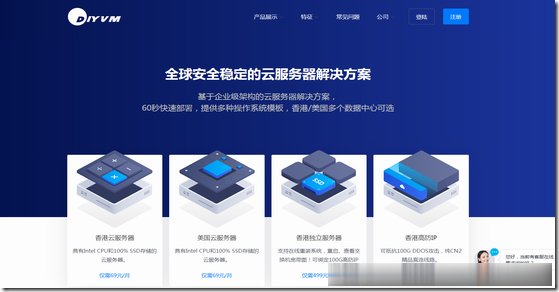
DiyVM:50元/月起-双核,2G内存,50G硬盘,香港/日本/洛杉矶机房
DiyVM是一家比较低调的国人主机商,成立于2009年,提供VPS主机和独立服务器租用等产品,其中VPS基于XEN(HVM)架构,数据中心包括香港沙田、美国洛杉矶和日本大阪等,CN2或者直连线路,支持异地备份与自定义镜像,可提供内网IP。本月商家最高提供5折优惠码,优惠后香港沙田CN2线路VPS最低2GB内存套餐每月仅50元起。香港(CN2)VPSCPU:2cores内存:2GB硬盘:50GB/R...
pcpie为你推荐
-
绿色桌面背景图片win7如何把的“计算机”背景设置成绿色桌面背景图片风景推荐个电脑桌面壁纸滚筒洗衣机和波轮洗衣机哪个好一分钟看懂滚筒洗衣机和波轮洗衣机 滚筒洗衣机和波轮洗衣机哪个好自然吸气和涡轮增压哪个好汽车涡轮增压好还是自然吸气好音乐播放器哪个好最好的音乐播放器下载英语词典哪个好英语词典哪种更好啊?电陶炉和电磁炉哪个好电磁炉与电陶炉有啥区别,哪个更好些?行车记录仪哪个好请问行车记录仪那个牌子好?qq空间登录不了登陆不了QQ空间dns服务器未响应dns 服务器未响应 怎么解决