附注从信封到附言,英文书信写作指南(From the envelope to postscript, English writing guide)
从信封到附言,英文书信写作指南From the envelope topostscript, English writing guide
From the envelope to postscript, English writing guideAre there any differences between English letters and Chineseletters?
Envelope (Envelop)
In contrast to the Chinese envelope, the address and name ofthe addressee on the English envelope are written in the middleof the envelope, and the address and name of the sender arewritten on the upper left corner of the envelope or on the backof the envelope.
The address of English correspondence should be written fromsmall to big, first write the number of the house number, thenwrite the street, town, province or state and postal code, andfinally the name of the country. Each letter of the country nameshould be capitalized.
Letter head / personal Letterhead/Personal LetterheadCorporate stationery is usually printed with its name, addressand contact number, which is commonly referred to as letterhead.In writing letters without letterhead, the author needs towrite the return address and contact number.
Date of closing (Date, Line)
The date of closing is the date of writing or typing. The nexttwo lines are written on the letterhead or author' s address.Enclosed address (Inside, Address)
The enclosed address is the address of the addressee, includingname, duty (if applicable) , company name (if applicable) ,street name or mailbox number, city, state or province, postalcode and country.
The enclosed address is usually written on the left hand side,between the date line and the address.
Address (Salutation)
Address is the beginning of a letter to the addressee' s name,written in the enclosed address or prompt sentence under thetwo or three lines. Acolonor commacan bewritten after a call.In business letters or other formal letters, colons are used.In informal letters, they are called commas. (Note: try to avoidusing "To Whom It May Concern" or "Dear Sir or Madam" becauseit is outdated and not very friendly. The improvement is todetermine the name of the addressee, or to use the name "DearHuman Resources Manager", "Dear Friends". When writing lettersto a lawyer or a diplomatic consul, you can use the title"Esquire" or"Esq. ", but they should not appear in the address.Similarly, if the recipient' s name is followed by"Jr. "or"Sr. ",such as "George Bush, Jr. ", they can not be included in theaddress. )
Title (Titles)
Unless the addresser is familiar with the addressee andcan callhim by his first name, he usually adds "Mr. ", "Professor" andso on to the polite title before the addressee' s name.Prompt sentence (optional) Attention Line (optional)
The use of the prompt sentence is to indicate that the letteris addressed to a specific person or department, even thoughthe letter is addressed to the organization. In addition, itallows other people in the organization to view the contentsof the letterwhen the specifiedaddressee is absent. Thepromptsentence is usually written on the top two lines of the addresswithin the seal or on the top of the address.
Topic sentence (selectivity) Subject Line (optional)
The topic sentence briefly explains the content of the letter.Usually written in an enclosed form between address and address.If the addresser doesn' t know the name of the addressee, he canalso use the topic sentence instead of the address. In orderto achieve the best effect, you can underline the subjectsentence or capitalize the topic sentence.
Text (Body, of, the, Letter)
The text has a wide variety of formats. It is best to use thenext business letter. The private letters usually do not block.In block letters, all the contents including the date and the
end of the letter of greeting, both from the left side of thetop grid started. There is no space at the beginning of theparagraph and two lines between the paragraphs.
Modified block form, is one of the most widely used format,commercial and private letters can be used, although notnecessarily in aprivate letter to write the return address andthe address in the letter. This is the most appropriate formatfor ordinary stationery without a print head. Different fromthe block, the sender address, the date of the letter ofgreeting and signature are from the middle to write. The reststart from the left.
写信人签名作家的身份/签名
写信人的签名、名字和头衔如果适用写在信尾问候语同侧三四行以下的位置。
附注概念
附注写在写信人签名下两行的位置附注包括参考缩写附件的数目和内容以及将收到这封信副本的人员名单。附注写在左侧。
信尾问候语免费关闭
信尾问候语是写在信尾的告别话语例如“真诚” 、 “此致” 。通常位于正文两三行以下第一个单词的第一个字母要大写最后以逗号结尾。
附言后记PS或PS
附言用来说明没有包括在信中的想法和内容。通常在附注下两三行的地方从左侧顶格写起在促销和私人信件中附言也可以用来强调写信人请求收信人采取的行动和做出的考虑。
------------------------------------------------------结束
- 附注从信封到附言,英文书信写作指南(From the envelope to postscript, English writing guide)相关文档
- 后记卷五 后记(Volume five postscript)
- 网格导出到封装的postscript
- simpl听力教程第二册听力原文及答案(施心远)
- 读后左右天才。。。读后记(Talent around... Reading postscript)
- term施心远听力教程第三册答案unit1——unit8
- 题记题记与后记(Preface and postscript)
RAKsmart 2021新年新增韩国服务器及香港美国日本VPS半价
RAKsmart 商家我们肯定不算陌生,目前主要的营销客户群肯定是我们。于是在去年的时候有新增很多很多的机房,比如也有测试过的日本、香港、美国机房,这不今年有新增韩国机房(记得去年是不是也有增加过)。且如果没有记错的话,之前VPS主机也有一次磁盘故障的问题。 这不今天有看到商家新增韩国服务器产品,当然目前我还不清楚商家韩国服务器的线路和速度情况,后面我搞一台测试机进行...

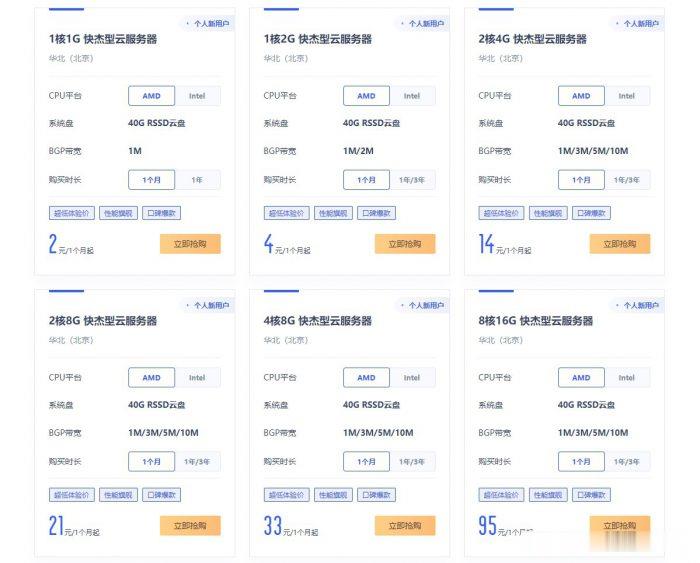
ucloud国内云服务器2元/月起;香港云服务器4元/首月;台湾云服务器3元/首月
ucloud云服务器怎么样?ucloud为了扩大云服务器市场份额,给出了超低价云服务器的促销活动,活动仍然是此前的Ucloud全球大促活动页面。目前,ucloud国内云服务器2元/月起;香港云服务器4元/首月;台湾云服务器3元/首月。相当于2-4元就可以试用国内、中国香港、中国台湾这三个地域的云服务器1个月了。ucloud全球大促仅限新用户,国内云服务器个人用户低至56元/年起,香港云服务器也仅8...
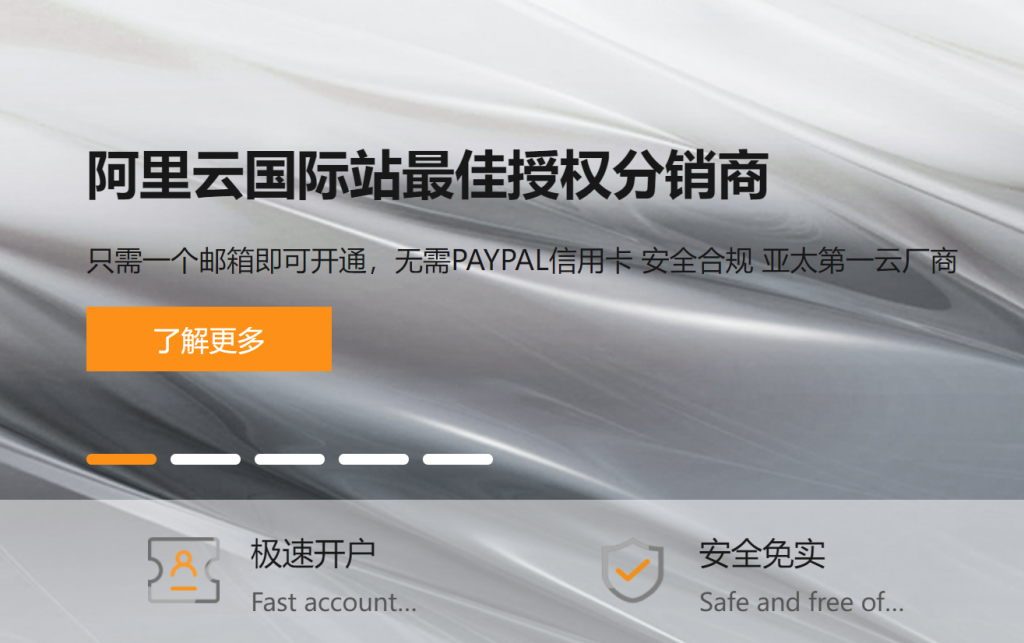
华圣云 HuaSaint-阿里云国际站一级分销商,只需一个邮箱即可注册国际账号,可代充值
简介华圣云 HuaSaint是阿里云国际版一级分销商(诚招募二级代理),专业为全球企业客户与个人开发者提供阿里云国际版开户注册、认证、充值等服务,通过HuaSaint开通阿里云国际版只需要一个邮箱,不需要PayPal信用卡,不需要买海外电话卡,绝对的零门槛,零风险官方网站:www.huasaint.com企业名:huaSaint Tech Limited阿里云国际版都有什么优势?阿里云国际版的产品...
-
聚酯纤维和棉哪个好聚酯纤维面料和纯棉面料哪个好传奇类手游哪个好传奇手游哪个好玩免费轿车和suv哪个好轿车和SUV 哪个开起来更舒适少儿英语哪个好少儿英语哪套教材好哪里好呢?浏览器哪个好用浏览器哪个好朗逸和速腾哪个好速腾和朗逸哪个更好?炒股软件哪个好用股票交易软件哪个好?手机杀毒哪个好手机杀毒软件哪个最好用飞信空间登录怎样在网上登陆飞信辽宁联通网上营业厅辽宁联通网上营业厅为什么不能交小灵通的话费?